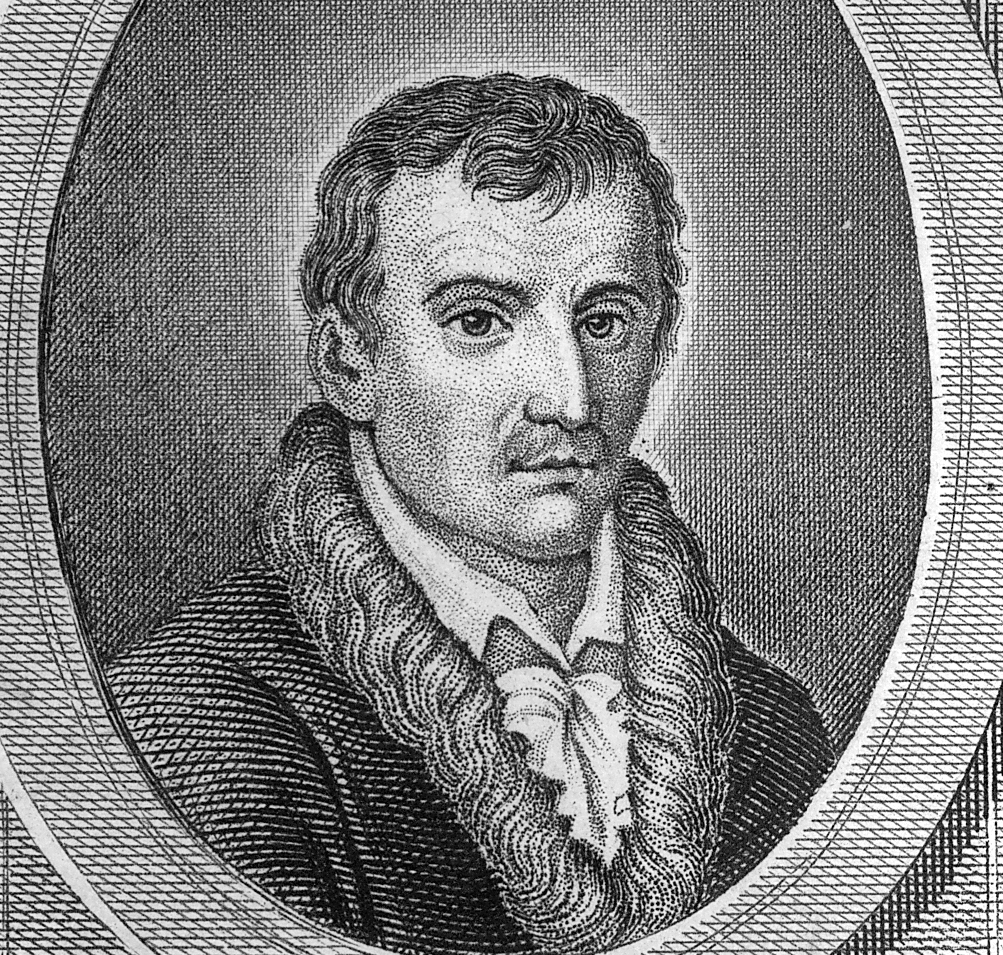
On Writing My Life
"If the account entertains, and perhaps here and there instructs the young and strengthens them in good principles, then I have not lived and written in vain"
"If the account entertains, and perhaps here and there instructs the young and strengthens them in good principles, then I have not lived and written in vain"
Veritatem sequi et colere, tueri justitiam, omnibus aeque bene velle ac facere, nil extimescere.
To follow and cultivate truth; to uphold justice; to wish and do good equally to all; to fear nothing.
I know the difficulties of autobiography as well as anyone, and I do not consider myself important enough for my life to be written at all. At any rate, there would still have been time enough after the age of forty. Some years ago, when the prospects in the literary heavens were brighter, a respected bookseller offered me a considerable sum to write the psychological history of my intellectual development. But I do not care to indulge in such speculation; and it goes somewhat against my nature to use myself as the example while expressing, perhaps in an individual way, a few general truths which half the world has long known and the other half does not wish to know.
The following has nevertheless persuaded me to say something about myself. Herder(1), Gleim(2), Schiller(3), and Weiße(4), together with several people still living, had encouraged me to record the circumstances of my life in my own way, though they probably considered it more important than it was. I thought my eightieth year would still be early enough; but my present state of health warns me not to postpone it, if it is to be done at all. Several of my friends threaten me—probably with good reason—that in any event I shall not escape a biographer. I might then fall into the hands of a hack, a hypercritic, or even a shallow and tasteless eulogist.
No one can know better what is in and about a man than the man himself, provided he has the honest candour and the strength to show himself as he is. I leave it to anyone who knows something of me to judge whether what he knows bears the stamp of such candour and strength. I shall therefore tell my story honestly and openly, without sparing myself, and not seldom with an awareness of my own inner worth, but without fear of being thought presumptuous and without further fear of the fault-finders who may afterwards hold a posthumous judgment over me. I shall no doubt have many follies, and no small ones, to confess; but, so far as I am aware, no act of baseness. If the account entertains, and perhaps here and there instructs the young and strengthens them in good principles, then I have not lived and written in vain.