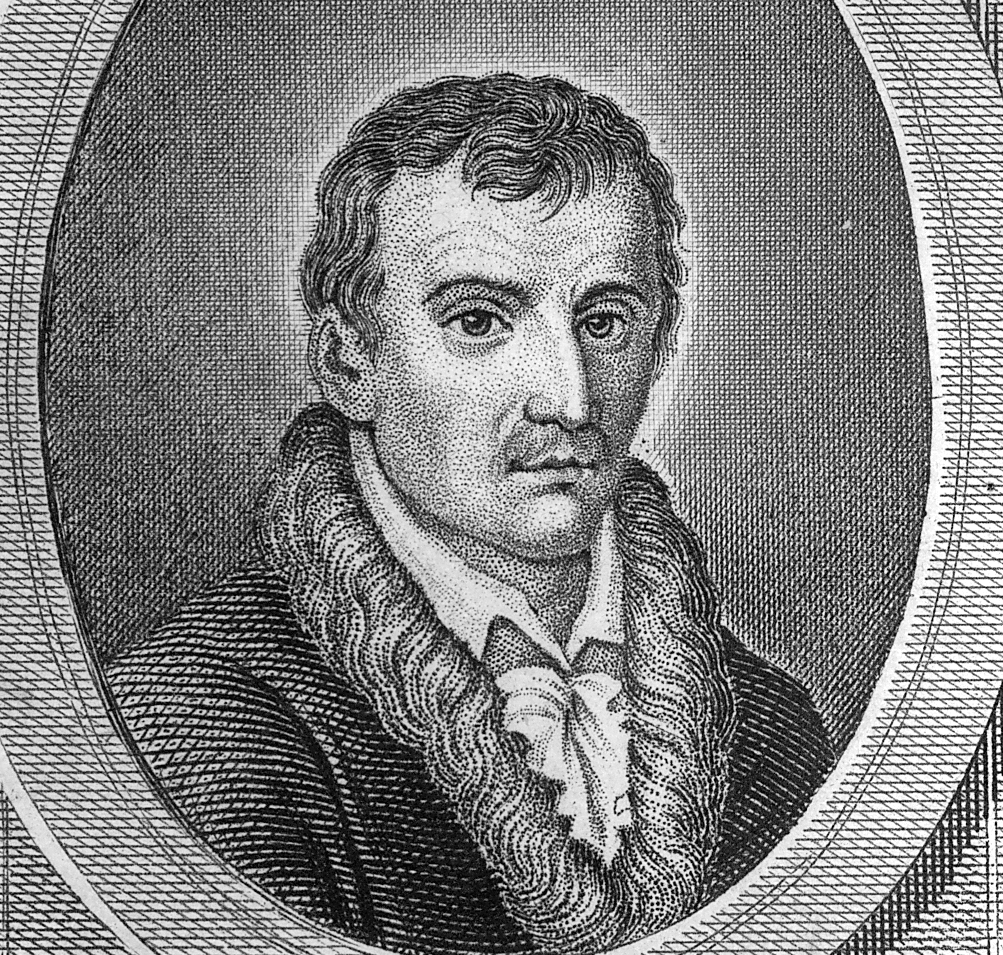
Seume's People
"Where danger cannot be overcome, Flight is the victory — and I escaped.."
"Where danger cannot be overcome, Flight is the victory — and I escaped.."
Seume’s wider social network and near-contemporaries. Click a name to reveal a short bio, portrait, and their connection to him.
Bio: Andreas Seume farmed at Poserna and later became a tenant farmer and innkeeper at Knautkleeberg. Crop failures and the terms of his tenancy severely reduced the family’s means.
Connection to Seume: Seume portrays his father as honest, morally exacting, quick-tempered, and incapable of witnessing injustice in silence.
Mentioned in: My Parents
Bio: Apraksin was one of the senior Russian commanders in Warsaw during the crisis of 1794.
Connection to Seume: Seume names Apraksin as one of the officers able to testify that he alone handled Igelström’s German and French staff work.
Mentioned in: Dear reader!
Bio: A Savoyard who served several European powers, Audé-de-Sion entered Russian service and joined Igelström’s Warsaw headquarters as an officer for special assignments.
Connection to Seume: This is the “Frenchman Sion” whom Seume says arrived after the most important diplomatic work had already been completed.
Mentioned in: Dear reader!
Bio: Brockmann was one of Vienna’s leading actors and had directed the court theatre. His roles included Regulus in Heinrich Joseph von Collin’s tragedy.
Connection to Seume: Seume saw Brockmann play Regulus in Vienna and judged him far stronger than the rest of the company.
Mentioned in: Vienna (part 2)
Bio: Baur served in Russian-occupied Warsaw and supplied Igelström with intelligence before the uprising of April 1794. Contemporary reports list a General Baur among the Russian prisoners.
Connection to Seume: Seume includes Baur among the officers who could confirm the diplomatic work he performed at headquarters.
Mentioned in: Dear reader!
Bio: Buol-Berenberg entered Austrian diplomatic service, came to Dresden in 1801 and later served there as chargé d’affaires. His subsequent postings included Kassel and Copenhagen.
Connection to Seume: He is almost certainly Seume’s “Herr von Büel,” the embassy secretary who personally expedited the Austrian passports for Seume and Schnorr.
Mentioned in: Dresden (part 2)
Bio: Catherine the Great ruled Russia from 1762 until her death and presided over Russian expansion into the Polish–Lithuanian Commonwealth.
Connection to Seume: Seume served in the Russian army during her reign. Her death brought Paul I to the throne and precipitated his removal from the service.
Mentioned in: Dear reader!
Bio: Count Fries was a Viennese banker and patron of the arts whose collection included paintings by Heinrich Friedrich Füger.
Connection to Seume: Seume says Fries remembered him from the Academy and welcomed him into his rooms, where he saw Füger’s paintings of Brutus and Virginius.
Mentioned in: Vienna (part 1)
Bio: Contemporary accounts identify Friesel as an officer ordered to burn the Russian embassy’s most secret papers during the Warsaw Uprising of April 1794. Only part of the archive was destroyed.
Connection to Seume: Seume says that for a time only Igelström, Friesel, and he knew the whole Russian plan in Poland.
Mentioned in: Dear reader!, note 10
Bio: Füger was a leading Viennese portrait and history painter. His subjects included classical history and illustrations for Klopstock’s Messiah.
Connection to Seume: Seume visited Füger in Vienna and wrote at length about his paintings and illustrations.
Mentioned in: Vienna (part 1)
Bio: Gall claimed that mental traits could be read from the shape of the skull. His lectures in Vienna came under imperial restriction around the time of Seume’s visit.
Connection to Seume: Seume mentions the order against Gall and later jokes that the passport official’s face told him everything without a lesson from Gall.
Mentioned in: Vienna (part 2)
Bio: Gleim was a German poet noted for his Anacreontic and patriotic verse and for the extensive network of writers he supported and commemorated.
Connection to Seume: Seume names Gleim among the literary figures who encouraged him to write the circumstances of his life in his own way.
Mentioned in: On Writing My Life
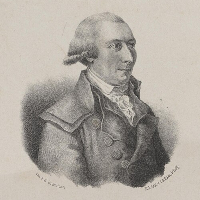
Bio: Georg Joachim Göschen was a major German publisher and printer whose press helped shape the literary culture of his age. After building his business in Leipzig, he moved his printing works to Grimma in 1797.
Connection to Seume: Seume worked for Göschen in Grimma as a proof-reader and literary associate, making Göschen one of the key figures in his professional life and in the Grimma chapter of his journey.
Mentioned in: Grimma; Grimma to Dresden; Vienna (part 1)
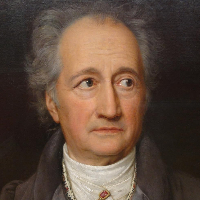
Bio: Central figure of German literature; author of Faust, The Sorrows of Young Werther, and many more.
Connection to Seume: A towering contemporary; Seume admired his poetic genius while resisting some of the “cult of Goethe.”
Mentioned in: Grimma to Dresden
Bio: Guardasoni was an Italian singer and theatrical impresario who became a leading figure in Prague’s operatic life and directed German and Italian companies there.
Connection to Seume: Seume had seen Guardasoni’s company in Leipzig and later assessed the German and Italian companies under his direction in Prague.
Mentioned in: Prague (part 1)
Bio: Großmann was an influential German actor-manager and playwright. His best-known work, the 1780 domestic drama Nicht mehr als sechs Schüsseln, became a widely performed social satire.
Connection to Seume: In Dresden, Seume attended a revised performance of Großmann’s play and discussed its acting, alterations and treatment of social rank at length.
Mentioned in: Dresden (part 1)
Bio: The Vienna-born Grassi established his reputation as a portrait painter in Warsaw before moving to Dresden, where he became a professor at the Academy in 1799.
Connection to Seume: Seume had known Grassi in Warsaw during the crisis of 1794 and visited him again in Dresden with Schnorr, praising him as the finest painter he had yet encountered.
Mentioned in: Dresden (part 2)
Bio: Herder was a leading thinker of the German Enlightenment whose work on language, history, literature, and culture helped shape the intellectual world of his generation.
Connection to Seume: Seume names Herder among those who encouraged him to record the circumstances of his life.
Mentioned in: On Writing My Life
Bio: Also known as Osip Andreyevich Igelström, he was a Livonian-born general in Russian service and Russia’s ambassador and commander in Poland during the Warsaw Uprising of 1794.
Connection to Seume: Seume served as Igelström’s secretary and an officer at his headquarters, handling German and French diplomatic correspondence.
Mentioned in: Dear reader!; Schnorr’s notes
Bio: Kant was the leading philosopher of the German Enlightenment, known especially for his three Critiques and his writings on knowledge, ethics and religion.
Connection to Seume: An important intellectual contemporary. While staying in Budin, Seume borrowed Kant’s early work on arguments for the existence of God as his evening reading.
Mentioned in: Dresden to Lowositz
Bio: Kotzebue was one of the most widely performed German-language playwrights of his generation, especially known for comedies and domestic dramas.
Connection to Seume: Schnorr recalls that Seume played Cleopatra, moustache and all, when their circle staged one of Kotzebue’s farces at Hohenstädt.
Mentioned in: Schnorr’s notes
Bio: Küttner travelled widely through Britain and continental Europe and published practical, observant accounts of his journeys.
Connection to Seume: A near-contemporary in German travel writing whose published assessment of the Mengs collection Seume invokes while discussing his own visit.
Mentioned in: Dresden (part 3); Budin to Prague
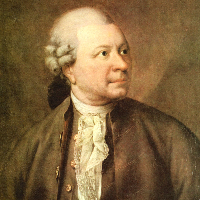
Bio: Author of Der Messias; a central figure bridging pietistic lyric and early German classicism.
Connection to Seume: Seume spent several years working on the printing of Klopstock’s Odes and Messiah.
Mentioned in: Dear reader!; Vienna (part 1)
Bio: Kościuszko fought in the American War of Independence and led the 1794 uprising against Russian and Prussian domination of the Polish–Lithuanian Commonwealth.
Connection to Seume: Seume was serving on the Russian side when the uprising reached Warsaw, where he experienced the fighting and was later taken prisoner.
Mentioned in: Dear reader!, note 2; Dresden (part 2)
Bio: La Roche was known for playing Kasperle, a popular comic character at Vienna’s Leopoldstadt theatre.
Connection to Seume: Seume contrasts Kasperle’s theatre with the National Theatre and repeats a report that the emperor had made the actor a baron.
Mentioned in: Vienna (part 2)
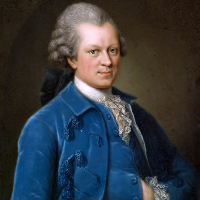
Bio: Author of Nathan der Weise and Laokoon; key advocate for Enlightenment values in German letters.
Connection to Seume: Model of reasoned critique and civic courage; Seume measured later dramatists against Lessing’s standard.
Mentioned in: Dresden to Lowositz
Bio: Marchesi was a celebrated castrato singer who performed on European opera stages, including Vienna’s.
Connection to Seume: Seume heard him in Vienna and objected sharply to casting a castrato as a male hero.
Mentioned in: Vienna (part 2)
Bio: Morus was a professor at Leipzig University, teaching classical languages and theology, and was known particularly for his work on New Testament exegesis.
Connection to Seume: Seume valued Morus’s lectures on Tacitus and later recalled consulting Guichard’s military writings at the theologian’s house.
Mentioned in: Dresden (part 1)
Bio: Möllendorf was a senior Prussian commander involved in Prussia’s military and diplomatic operations during the partitions of Poland.
Connection to Seume: Seume handled Möllendorf’s correspondence with Igelström’s headquarters and recalls being given Möllendorf’s first letter.
Mentioned in: Dear reader!
Bio: Münchhausen served alongside Seume during the involuntary Hessian deployment to North America and later lived at Schmalkalden.
Connection to Seume: Seume addressed an early farewell poem to Münchhausen. The two friends met again after nineteen years during Seume’s return journey from Syracuse.
Mentioned in: Schnorr’s notes
Bio: Paul succeeded his mother, Catherine II, in 1796 and rapidly changed military and administrative arrangements.
Connection to Seume: A recall deadline imposed by Paul led to Seume’s removal from Russian service; after Seume appealed, Paul granted him an honourable discharge.
Mentioned in: Dear reader!
Bio: Pahlen was a Baltic German officer who rose to high office under Paul I and later helped organise the conspiracy against him.
Connection to Seume: Pahlen forwarded Seume’s formal honourable discharge from Russian service.
Mentioned in: Dear reader!
Bio: Pistor served as a senior staff officer in Warsaw and later wrote a memoir of the Polish revolution of 1794.
Connection to Seume: Seume worked with Pistor before the Warsaw fighting and names him as a witness to his diplomatic workload.
Mentioned in: Dear reader!
Bio: Potocki was a leading pro-Russian magnate and marshal of the Targowica Confederation. The identification of Seume’s “Pototzky” is probable rather than certain.
Connection to Seume: Seume says he handled diplomatic correspondence among Igelström, Potocki, Möllendorf, and other Russian and Prussian generals.
Mentioned in: Dear reader!, note 7
Bio: Ratschky was a Viennese writer associated with the Austrian Enlightenment.
Connection to Seume: Seume names Ratschky among the friends whose company relieved his gloomy stay in Vienna.
Mentioned in: Vienna (part 1)
Bio: Retzer was a figure in Vienna’s Enlightenment literary circles and corresponded with Seume’s publisher Georg Joachim Göschen.
Connection to Seume: Seume names Retzer among the people who gave him welcome company in Vienna.
Mentioned in: Vienna (part 1)
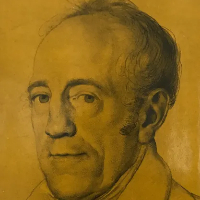
Bio: Henry Crabb Robinson was an English writer and diarist who spent formative years in Germany from 1800 to 1805. He became an important mediator of German literature and thought for English readers, and later moved in the circles of Wordsworth, Coleridge, Lamb, and Blake.
Connection to Seume: Robinson met Seume in Weimar in 1801. He accompanied Seume and Veit Hanns Schnorr von Carolsfeld when they visited Goethe shortly before Seume and Schnorr set out on the journey later described in A Stroll to Syracuse.
Mentioned in: Grimma
Bio: Schikaneder wrote the libretto for Mozart’s The Magic Flute and opened the Theater an der Wien in 1801.
Connection to Seume: Seume enjoyed Schikaneder as the Tyrolean Wastel and praised his theatre’s local character while doubting his ability in serious drama.
Mentioned in: Vienna (part 2)
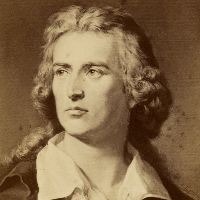
Bio: Friedrich Schiller was one of the central figures of German literature and Weimar Classicism, author of works including The Robbers, Don Carlos, Mary Stuart, William Tell, and the poem later known as Ode to Joy.
Connection to Seume: Seume admired Schiller as a major literary contemporary. Schiller also belonged to Göschen’s wider publishing and social world, which shaped the literary setting Seume entered in Grimma.
Mentioned in: Grimma; On Writing My Life
Bio: Regina Christina Seume raised Johann Gottfried Seume and his siblings through considerable hardship after the death of her husband, Andreas, in 1776.
Connection to Seume: Schnorr drew and etched her portrait for Seume. Beneath it, Seume placed an inscription joining love and respect for parents with loyalty, religion, law, patriotism, justice, and humanity.
Mentioned in: Schnorr’s notes; My Parents
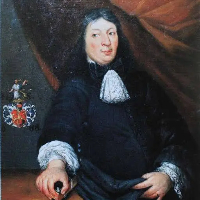
Bio: Veit Hanns Schnorr von Carolsfeld was a German artist associated with Leipzig, known as a painter, draughtsman, and engraver. He was also the father and first teacher of Julius Schnorr von Carolsfeld, later an important Nazarene painter.
Connection to Seume: Schnorr was one of Seume’s travelling companions at the beginning of the 1801 journey from Grimma. He set out with Seume on the road to Syracuse, though he did not continue for the whole journey.
Mentioned in: Grimma; Dear reader!; Grimma to Dresden; Dresden (part 2); Dresden (part 3); Dresden to Lowositz; Prague (part 1); Deutschbrod to Znaim; Vienna (part 2); Schnorr’s notes
Bio: Schnorr describes him as a nephew of the celebrated Prussian field marshal Kurt Christoph von Schwerin.
Connection to Seume: During a visit to Leipzig, he recognised Seume’s handwriting from earlier service.
Mentioned in: Dear reader!, Schnorr note 3; Schnorr’s notes
Bio: A doctor in Pirna who published literary work as Johann Samuel Siegfried. His works included Siama und Galmory and the tragedy Nadir Amida.
Connection to Seume: Seume and Schnorr visited him in Pirna, after which Siegfried and several acquaintances accompanied the travellers as far as the Saxon–Bohemian border.
Mentioned in: Dresden to Lowositz
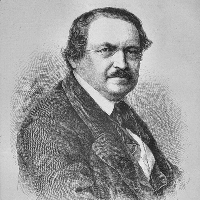
Bio: Ferdinand Stolle was the pen name of Ferdinand Ludwig Anders, a German writer, journalist, editor, and publisher. He lived in Grimma from 1848 to 1854 and helped found the popular illustrated family magazine Die Gartenlaube.
Connection to Seume: Stolle belonged to a later generation, but his affection for Grimma and its literary memory makes him a fitting admirer in Seume’s orbit. His poem on Grimma is quoted on the Grimma stage page.
Mentioned in: Grimma
Bio: A Jewish resident of Budin who owned what Seume considered a small but good collection of books.
Connection to Seume: Tausig lent Seume a work by Kant for an evening after explaining that his copy of Lessing’s Nathan the Wise was already on loan.
Mentioned in: Dresden to Lowositz
Bio: Ungar was a Bohemian scholar and the leading librarian of Prague’s University Library in the Clementinum. He helped organise its collections and develop it as a public scholarly institution.
Connection to Seume: Seume expected that Ungar—whom he calls Unger—would have shown him the library’s treasures, but did not find him at home.
Mentioned in: Prague (part 1)
Bio: Weiße was an important figure in Leipzig’s Enlightenment literary culture and a pioneering German author and editor for children and young readers.
Connection to Seume: Seume names Weiße among those who encouraged his autobiography. Schnorr also records that Weiße supplied him with letters of recommendation when he set out with Seume.
Mentioned in: On Writing My Life
Bio: The Zubov family rose to extraordinary influence through Platon Zubov, Catherine II’s last favourite. His brothers included the officers Nikolai and Valerian Zubov.
Connection to Seume: Seume complains that a fiddler who had entertained one of the Zubovs could be preferred to him despite his serious staff work.
Mentioned in: Dear reader!, note 11